Space science
Debunking Space Myths: Questions Surrounding Nebulae!
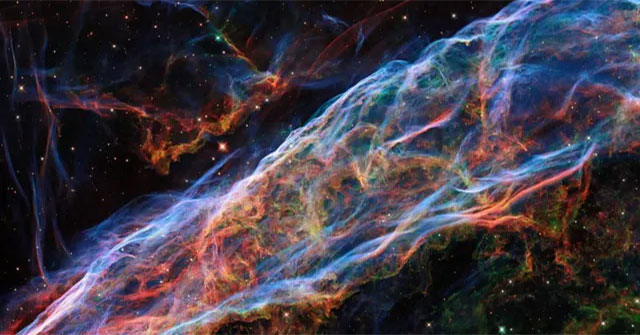
Essentially, nebulae are giant clouds of gas between stars that play a crucial role in the life cycle of stars.
Browse ScienceInfo articles and explainers related to Gas Cloud.
20 published items.
Essentially, nebulae are giant clouds of gas between stars that play a crucial role in the life cycle of stars.
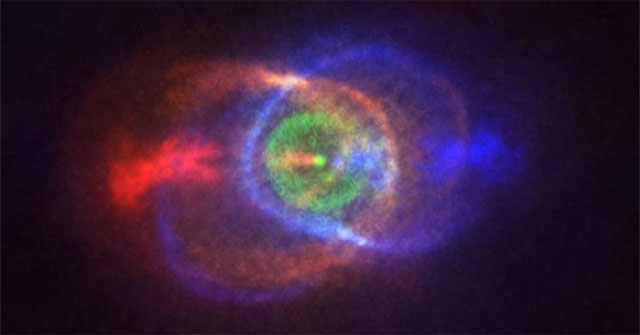
The ALMA telescope captures a beautiful multicolored gas cloud surrounding two fighting stars in the Centauru constellation more than 6,800 light-years from Earth.
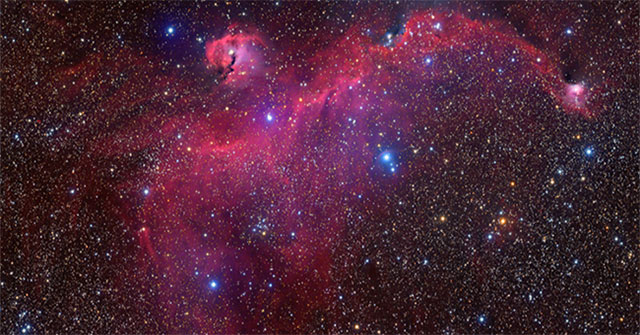
Constellation IC 2177 is where new stars are born. This area includes dust, hydrogen, helium and traces of some heavy elements.
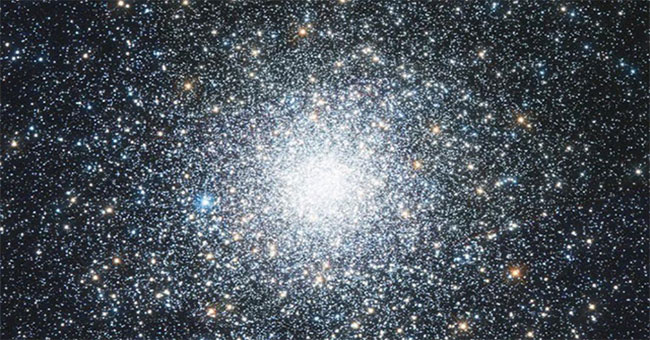
The first stars in the universe have long since disappeared, but their traces can still lurk in space, buried in gas clouds like
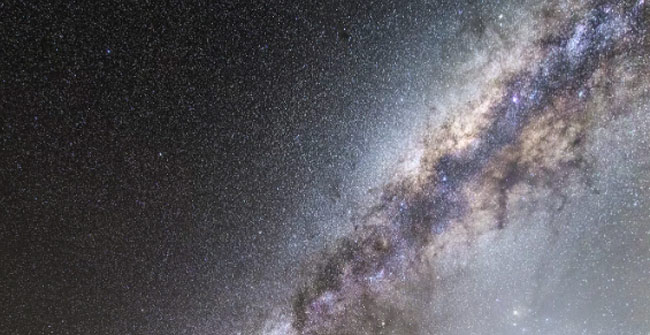
The unexpected ALMA observatory captures a new moment of the Milky Way in a magical night. This photo was taken by the ALMA Observatory in Chile at 5,000 meters above se…
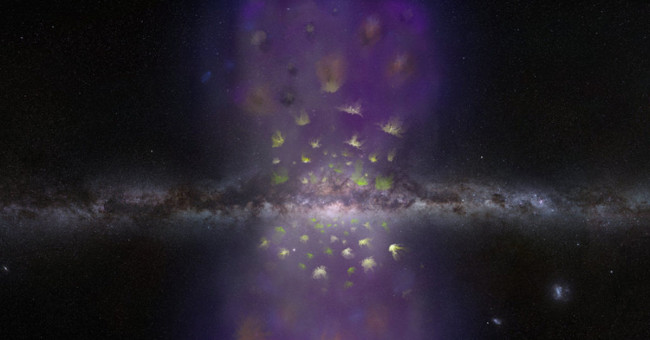
A massive migration of more than 100 gas clouds out of the center of the Milky Way and toward the outer space of the galaxy receives great attention from scientists.
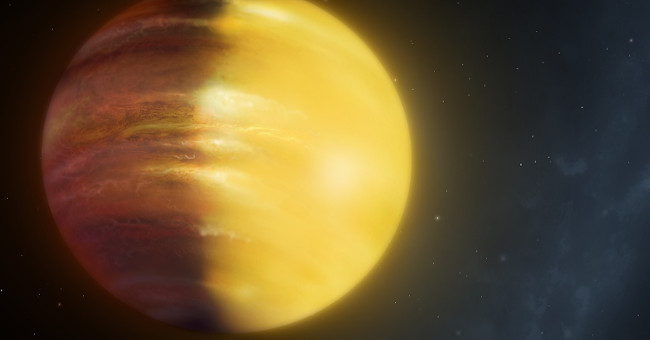
British researchers discovered a solar system outside the solar system surrounded by minerals-rich clouds creating rubies and sapphire stones.
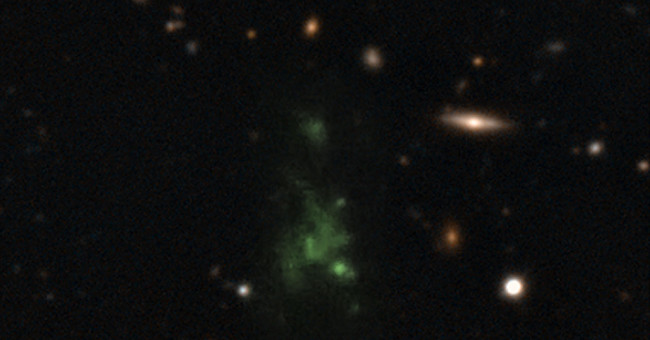
The reason why the blobs in the universe become bright is due to the formation of new stars within it.
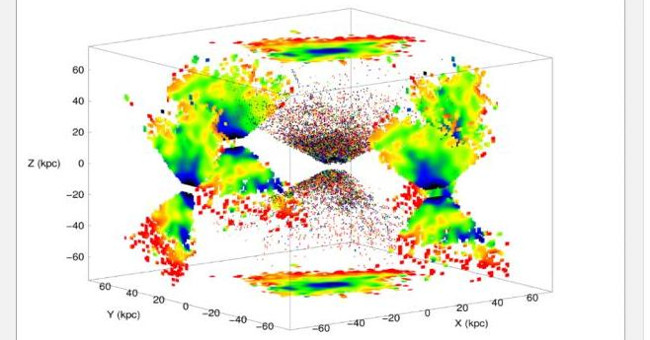
A new technology map that simulates the way the Milky Way galaxy formed in the universe more than tens of billions of years ago is making the global astronomers flutter.
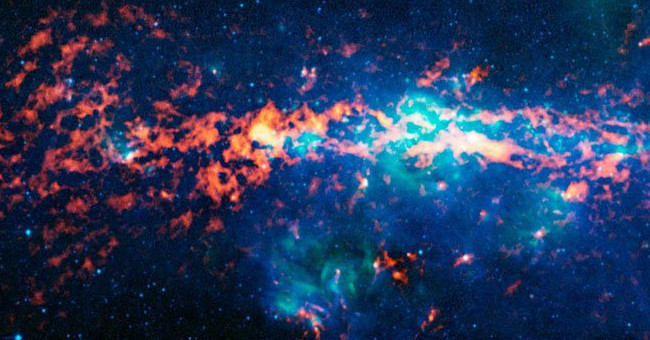
This revolutionary discovery can help us find the origin of life in the universe.
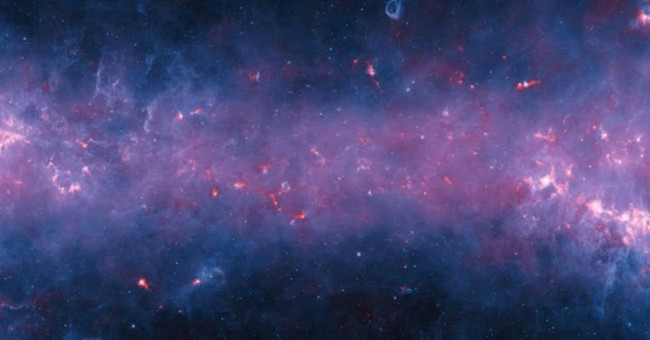
The research team of the Southern European Observatory (ESO) drew a completely new map of the Milky Way, four times larger than every previous map with 187 million pixel…
A team of astronomers uses data from Rossi X-ray Timing Explorer (RXTE) of the US Aerospace Agency (NASA) to detect giant gas clouds surrounding the black supersonic hol…
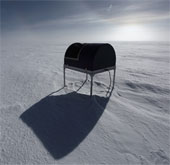
Telescope in Antarctica has just announced a new discovery, showing a giant gas cloud containing star embryos in the pictorial phase.
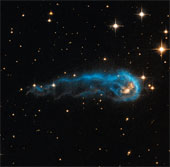
With a length of nearly 10 trillion km, a giant cloud of gas in the universe has the same shape as the flying blue worm.
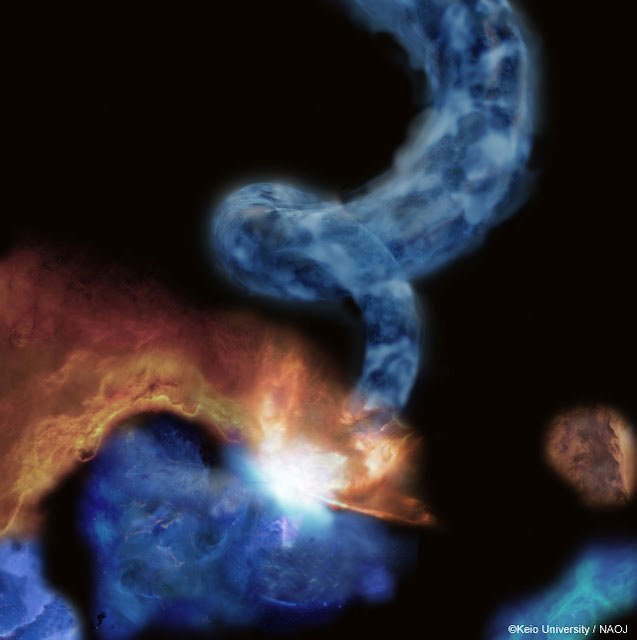
The group of Japanese scientists at Keio University and the National Astronomical Observatory on September 4 published a photo of gas clouds forming very beautiful swirl…